Research Guides
How to Read a Supplement Label
Check serving size, amounts, extract forms and other ingredients.
Ingredient Evidence vs Product Evidence
Understand why a study of one ingredient does not prove a finished formula.
Supplement Safety Basics
Consider medications, procedures, health conditions and professional advice.
Frequently Asked Questions
How should I read a supplement label?
Start with serving size, ingredient amounts, ingredient forms, standardization details and other ingredients. Compare like with like before drawing conclusions.
What is the difference between ingredient and product evidence?
Ingredient evidence studies a particular substance or preparation. Product evidence studies the exact finished formula. They should not be treated as interchangeable.
Why does supplement safety need a separate review?
Medication use, procedures, allergies and health conditions can change the risk-benefit picture. A general product description cannot replace individualized medical advice.
Can a label prove a supplement is effective?
No. A label can document what the manufacturer states is included, but effectiveness requires appropriate evidence for the relevant ingredient, preparation or finished product.
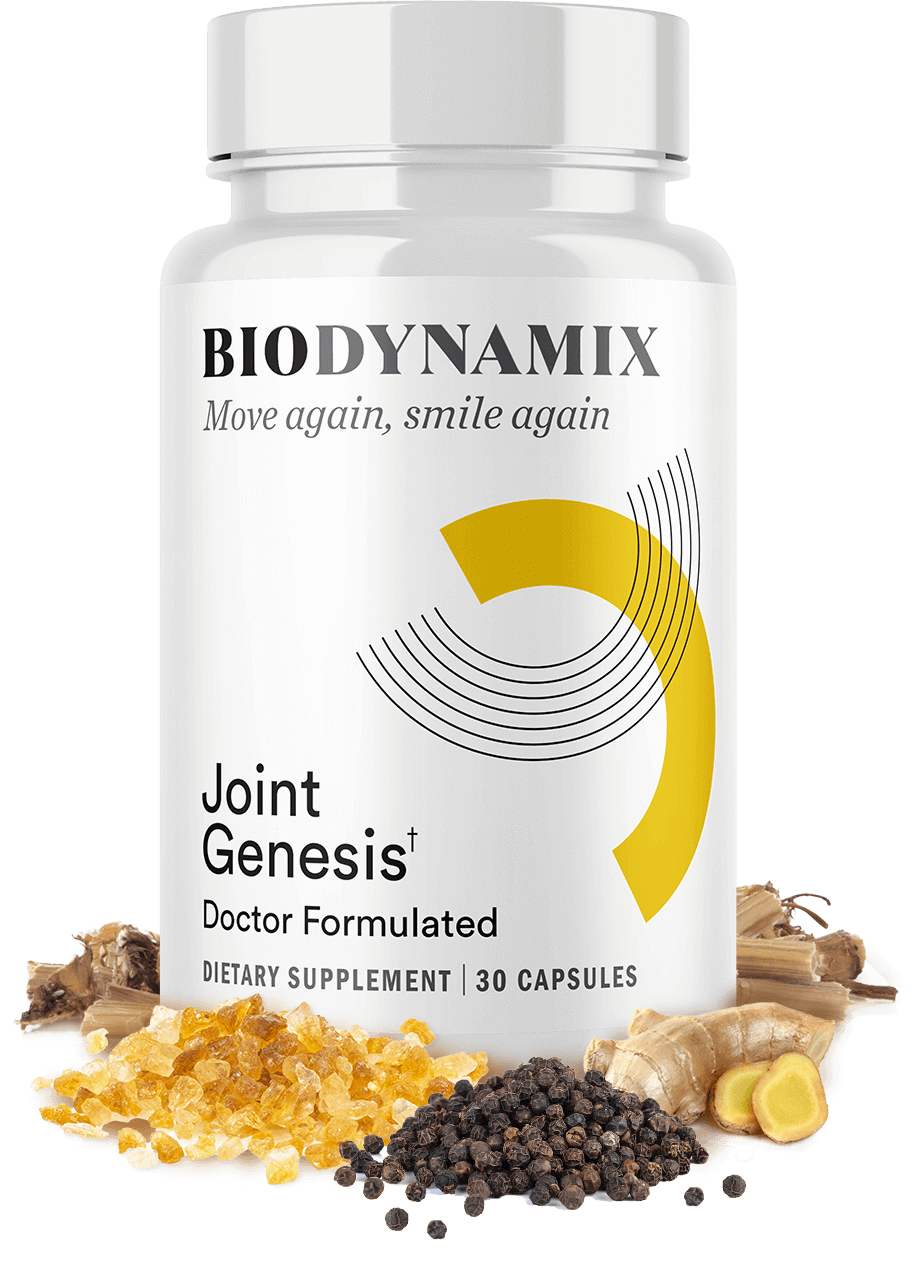
Where should I start if I am researching Joint Genesis?
Start with the Ingredients page for label facts, then review the effectiveness, safety and price pages for the questions that matter most to a purchase decision.